
Brief about the Implementation programs is Currently run by Arohi Advisors and Reodar Welfare Foundation
Reodar Welfare Foundation (RWF) serves as the social and developmental program implementation arm of Arohi Advisors Private Limited (AAPL). The Foundation functions as the field-level outreach and execution partner for community-based projects conceptualized and supported by Arohi Advisors, particularly in the areas of health, education, livelihood enhancement, and rural development.
Both organizations share a common vision of promoting inclusive growth and sustainable development through evidence-based interventions and collaborative partnerships.
The institutions are jointly led by Mr. Rajiv Ranjan and Dr. Brij Mohan Sharma, who serve as Directors of both Arohi Advisors Private Limited and Reodar Welfare Foundation, ensuring strategic alignment between the advisory, research, and implementation functions of the group.
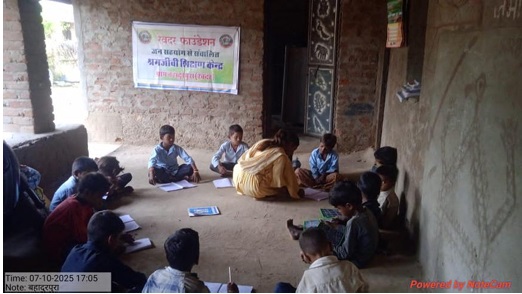
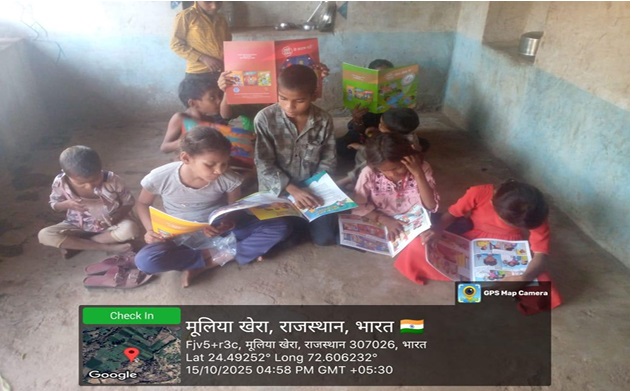
Implementation of Early Childhood Care and Education (ECCE) Program
Arohi Advisors is implementing pre-school centres in five villages of Sirohi district of Rajasthan for the deprived children in association with local NGO partner Reodar Welfare Foundation. These villages lack anganwadi centres (AWC) and the project makes a humble effort to provide pre-school education and nutrition to the deprived children in the villages. An instructor imparts pre-school education to the children who are also provided supplementary nutrition.
Activities
1. Running of pre-school education centres
2. Pre-school education
3. Nutrition
4. Ration kit distribution
The project is benefitting 150 children in five villages.
Financial Contribution: This program is being run through Public contribution
A Program funded By Global Green Fund
This project is targeted at ensuring benefits of natural resources to tribals in Sirohi district. The tribals are being mobilised in 30 villages through awareness generation and advocacy. The project area is near Mount Abu, a well-known tourist location, but around it there is a significant population of Garasiya tribe which has remained underdeveloped for centuries.
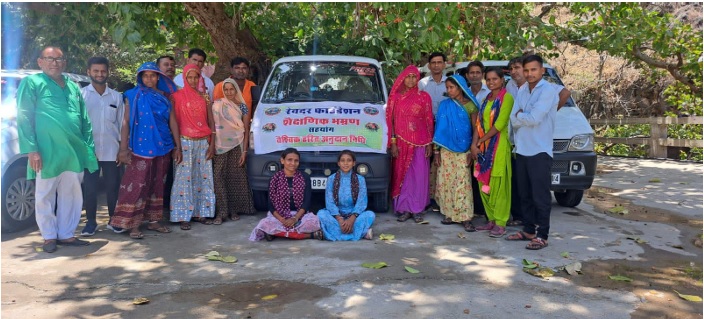
These are forest dwellers and due to certain policy glitches, they have not been able to get their land title as a result of which their development is very slow. It is interesting to note that in the neighbouring state of Gujarat, there have been many tribal villages where tribals have received such land titles, but here due to bureaucratic inefficiency and political lethargy, the people have remained devoid of such rights. Because they do not have land title, these villages remain aloof from the mainstream development interventions like elementary education, primary health, and such basic services. Providing such basic rights is the immediate need of the villagers.
Activities
1. Block level launch workshop
2. Community meetings
3. Awareness drives
4. Convergence workshop with forest and district administration
5. Workshops with forest rights committees
Target Group
Garasiya tribals, nearly 6,000 families
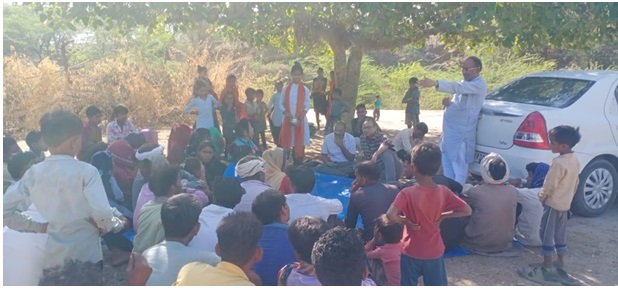
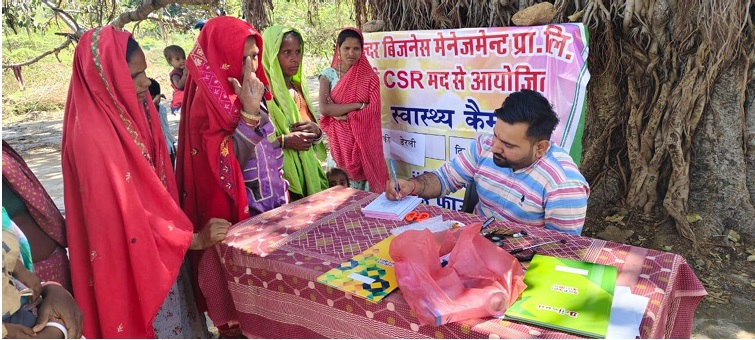
Implementation of Health Camps
The Health Camp Initiative was organized by Reodar Welfare Foundation with financial support under the Corporate Social Responsibility (CSR) contribution of Sunder Management Services Pvt. Ltd. The program aims to strengthen community health services and promote preventive healthcare practices among rural populations in Sirohi District, Rajasthan.
Under this initiative, a series of health camps were conducted across 12 villages of the district, focusing on providing free medical consultations, basic diagnostics, health awareness sessions, and distribution of essential medicines. The camps particularly targeted women, children, and elderly individuals, ensuring access to quality healthcare for vulnerable and underserved groups.
Local healthcare professionals and volunteers actively participated in the program, creating awareness on key health issues such as maternal and child health, hygiene, nutrition, and common seasonal diseases. The initiative reflects a collaborative effort between corporate and community institutions to advance rural health outcomes and support the government’s vision of “Health for All.”